





Lately, I have found myself noticing some of the phrases people in sport use to stay focused.
“Pressure is a privilege, and it won’t last forever.”
“Start again.”
They are simple words, but they can carry considerable meaning when the pressure builds, the scoreline goes against you, or the work required begins to feel overwhelming.
Long before I began writing down the mantras of other athletes and leaders, I had one of my own: “If you believe, you will achieve.”
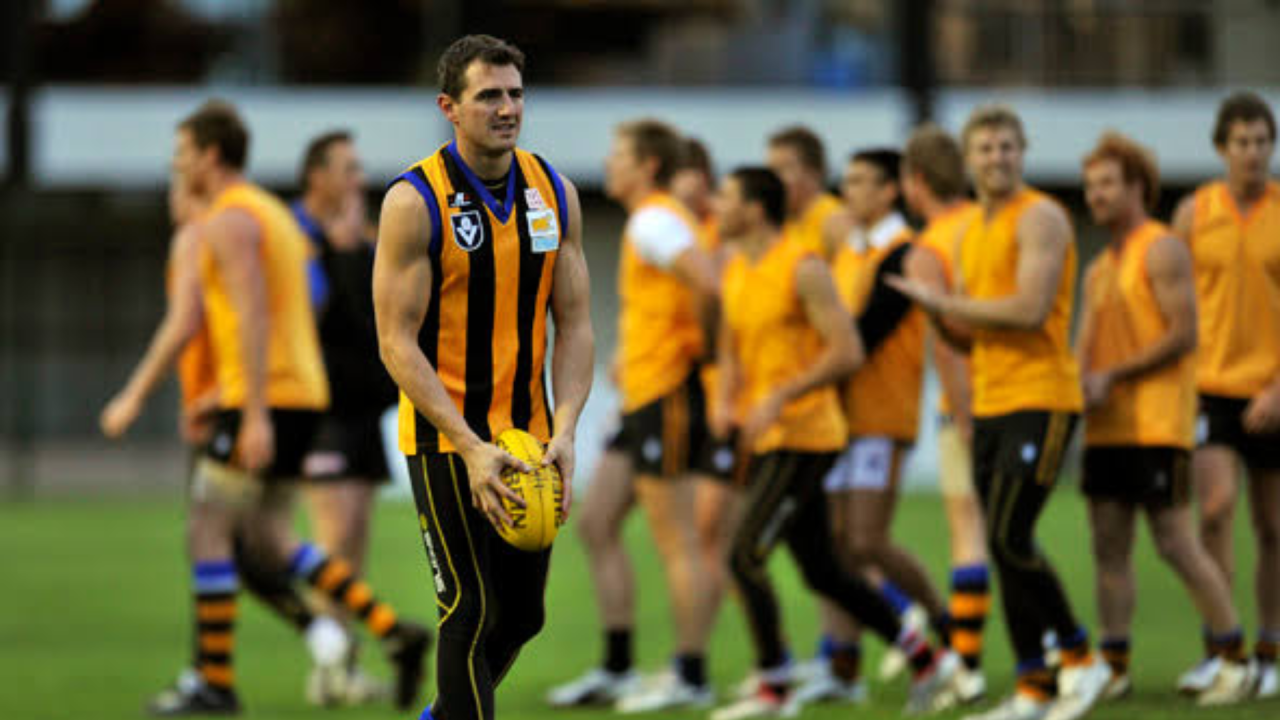
It is a phrase I have carried with me through different stages of my life, from playing Australian rules football and studying, to building a career in an emerging industry and, more recently, leading Eden Park through a period of considerable change.
At first glance, it might sound overly simple. Belief doesn’t replace talent, preparation, strategy or hard work. The scoreboard doesn’t award points for confidence, and commercial results are not determined by positive thinking. But belief influences what happens next.
It can determine whether you take the first step, keep presenting after an opportunity is missed or accept that someone else’s expectations should define what is possible.
Last week I read Scott Weenink’s article, Keeping score in business and sport (BusinessDesk 1 Oct 26), about the lessons sport and business can learn from each other. One of the points that resonated with me was his description of accountability in sport as “brutally honest”, where “the result is visible, public and immediate. You performed, or you didn’t.”
I agree. But sport also teaches us that performance begins well before the result becomes visible. Belief does not guarantee the outcome, but it helps determine whether you are prepared to do what is required to give yourself the best possible chance of achieving it.
Football taught me that belief was rarely something you talked about; you demonstrated it. As a forward, it meant being ready to make the next lead after the previous five hadn’t been rewarded. Whether the ball came to me every time was outside my control, but if I stopped running into position, I removed any possibility that it would.
This is a lesson I have carried into business. Belief is not waiting for an opportunity to appear; it is continuing to put yourself in a position to create or take it.
I finished school at 16 ½ and enrolled in a relatively new venue and stadium management programme because it let me keep playing football. A year later, I added a business degree and completed both programmes.
At the time, there was no established career pathway in venue management and no certainty as to where it would lead. What existed was a belief that sport, business and venues could become a career, supported by a willingness to do the work required.
For me, that distinction is important. Belief is not certainty – it is the willingness to commit when the outcome is not guaranteed.
My playing career reinforced that lesson many times. I was fortunate to play 260 Victorian Football League matches, kick 883 goals and be part of seven premiership teams across the Victorian Football League and Victorian Amateur Football Association.
But not every ambition was realised. I wanted an opportunity with an Australian Football League club, and it didn’t eventuate. Later, I experienced a very different setback when I was made redundant – my wife still describes it as my first major professional loss.
Neither experience disproved my mantra; if anything, they gave it greater meaning.
“If you believe, you will achieve” cannot mean that every outcome will be exactly as you imagine – sport and business simply don’t work that way. But it can mean believing in your ability to respond, learn, and keep moving when the result isn’t the one you wanted.
This same mindset has shaped a lot of our work at Eden Park.
When we began advocating for concerts, musicians didn’t have the same opportunity to perform on our stage as sportspeople. Regulatory barriers were significant, opposition was vocal, and the outcome was far from certain.
Belief alone did not secure consent for concerts. It required evidence, planning, community engagement, political support and an experienced team capable of delivering what we had proposed.
But belief was what allowed that work to begin and, importantly, to continue when success was far from guaranteed.
The same applies to many of the ideas we have pursued, from Staydium Glamping and rooftop tours to stadium golf, new partnerships and a more diverse calendar of major events. Each started with a willingness to consider what Eden Park could become, rather than accepting what it had previously been permitted to be.
This is where a personal mantra becomes relevant to leadership.
Leaders cannot simply tell people to believe. They have to create credible reasons to believe it.
At the beginning of any period of change, challenges always arise. The evidence may not exist yet, and the results certainly don’t, which means someone has to be prepared to articulate what could be possible and give people the confidence to begin working towards it.
Over time, however, belief has to become more than an aspiration. It has to be reinforced by progress, investment, clear expectations, accountability and results. People need to see that an organisation is prepared to resource its ambitions, learn when something isn’t working, and keep raising its standards.
That has been an important part of our journey at Eden Park. Some of the things that once required considerable belief – concerts, a more diverse event calendar and experiences that use the stadium in completely different ways – are now part of how we operate.
And achieving those things creates belief in what might be possible next.
“If you believe, you will achieve” has never meant to me that believing guarantees you the result you want. Sport taught me far too much about performance to believe that.
It means having enough belief to begin, enough resilience to continue when things don’t go to plan, and enough discipline to do the work required to give yourself the best possible chance of succeeding.
Belief is only the beginning.
For leaders, the greater responsibility is ensuring our decisions, investment, standards and behaviour give everyone around us a reason to believe too.