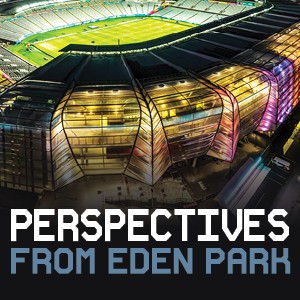






We tend to spend a lot of time talking about how a stadium is funded, and I would like to see us pay more attention to what a stadium enables, the value it creates around it, and how some of that value can be captured and reinvested to strengthen the surrounding precinct over time.
This requires a shift in mindset about how we think about the economic value of a stadium. It is easy to focus on the venue itself and the direct return it generates, and of course that matters, but what matters just as much is what the stadium unlocks around it.
I often make the point that the value of a stadium cannot be judged only by what happens inside its gates. A stadium the size of Eden Park creates benefits that flow well beyond the event itself and well beyond the stadium. We’ve clearly demonstrated that whenever a major event comes to Auckland, our hotels are busier, bars and restaurants are full, retailers benefit from increased spending, and the wider visitor economy benefits. This is the reason I’m constantly pushing for the economics of a stadium to be viewed more broadly. The return is not just what happens inside the gates, it’s what is generated for the city and country.
But the direct economic returns are only the starting point, and this is where we need to shift our thinking to value creation.
If a stadium consistently attracts people, activity and investment into an area, then its value is not just in the event itself, but in what that activity helps unlock around it. Over the past few years, as Eden Park’s utilisation has increased, we’ve seen how a well-used and well-connected venue can contribute to the attractiveness of the surrounding area. It creates more energy around the precinct and increases the strategic value of the surrounding area in a way that supports local business activity and future development. Viewed that way, the return from a stadium is not just measured in ticket sales or venue revenue, but in the wider precinct activity, improved connectivity, increased attractiveness of the surrounding area and long-term growth it can help unlock.
This is why the world’s leading stadium precincts do not treat venues as standalone facilities, instead they treat them as part of wider economic districts. Stadiums like Wembley and the MCG understand that the venue is not simply a place where people gather for a few hours, it is a catalyst for activity, investment and growth that extends beyond the turnstiles.
But if that value is being created, the next question is an important one: how do we think more intentionally about capturing some of it?
In New Zealand, this is often where the conversation stops short. We are comfortable talking about the direct impact of an event and the immediate economic lift it creates, but less comfortable talking about the wider uplift that can form around a venue over time, and how some of that value might be captured and reinvested back into the area. For me, that is the missed opportunity.
If a nationally significant venue helps create broader economic activity, strengthens the surrounding precinct and contributes to land value uplift over time, then we should be thinking carefully about how some of that value is captured and reinvested. This is what turns a stadium from a venue that hosts major moments into a more commercially strategic asset that shapes city infrastructure.
Around the world, cities use different tools to do this. It could be through development contributions, targeted rates, public-private partnerships, better use of adjacent land or revenue streams linked to precinct activity. But the mechanism is less important than the mindset. The real shift is in recognising that if public infrastructure and a major venue are helping create value, then there should be a way to reinvest part of that value into the infrastructure, connectivity, city and community that support it.
That is what makes this so relevant for Auckland.
Eden Park already shows what this value looks like in practice. It attracts major sport and entertainment, brings people into the city and supports economic activity well beyond the venue itself. It also sits within an area with strong transport links, and when the CRL opens later this year, Eden Park will be 7 minutes from the city and amongst the most well-connected venues globally. This is why I believe the opportunity is bigger than the stadium on its own. It is about how Eden Park works as part of a wider precinct, and how we generate greater value from the infrastructure and activity around it.
The opportunity is not centred on how well Eden Park performs within its own gates, but on how it can help shape a more vibrant events and entertainment precinct around it, and how that wider uplift is recognised and used to support future growth.
This is the mindset shift I think we need.
As I said at the beginning of this article, the conversation should not begin and end with how we fund a stadium, it should also focus on what a stadium enables, what value it creates around it, and how some of that value can be captured and reinvested in a way that strengthens the precinct even further.
Because once you start looking at Eden Park through that lens, it becomes clear that it is more than a venue. It is a platform for major events, a catalyst for broader economic activity and, with the right strategy around it, an asset that can play a much bigger role in Auckland’s long-term growth.