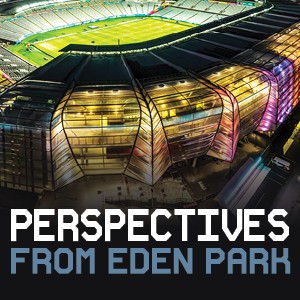






I often compare stadiums to other major pieces of infrastructure. We expect our roads, airports, and public spaces to be used because that’s how they deliver value. Stadiums are no different. When they’re fully utilised, they bring people together and drive tangible economic and social benefits.
When a stadium sits idle, the opportunity cost isn’t just for the venue, it’s for the city – the hotels that aren’t filled, the hospitality that doesn’t get the trade, the jobs that aren’t created.
The recent three-day Special Convention for Jehovah’s Witnesses is a good example of what the opportunity looks like.
Each day, more than 20,000 delegates came through Eden Park’s gates. Around 3,500 travelled from overseas, with a further 12,000 coming to Auckland from across New Zealand with many choosing to stay in the city for a full week.
During their time here, delegates filled 38 hotels, attended functions across the city each evening, used buses, rideshares, and public transport, and supported local restaurants, cafés, and hospitality businesses.
For Auckland, the result was an estimated $20m boost to the local economy in just a few days.
The impact was visible. Walking through the city during the convention, Auckland felt busy and vibrant. Hotels were full. Hospitality venues were active. The city had energy. This is what we want – a city people want to live in, stay in, and play in.
Importantly, large-scale events such as sporting events, concerts and cultural festivals bring people into the city and encourage people who already live here to take part. Whether visitors are coming from overseas, other parts of New Zealand, or they’re Aucklanders themselves, the result is the same. We see increased activity across our hotels, transport, hospitality, tourism and retail, supporting jobs and delivering real economic benefits for the city.
This experience is not unique. Time and again, the economic benefits of hosting large-scale events have been demonstrated, both in Auckland and internationally.
Independent research by the University of Auckland shows events at Eden Park already deliver more than $37m in annual GDP benefits to the region, with the potential to lift that contribution to $107m through greater utilisation. At a national level, the Ministry for the Environment has also reviewed the economic contribution of major events as part of its work to ensure planning frameworks better reflect how modern venues operate and the benefits they deliver.
International experience supports the same conclusion. Cities that actively utilise their stadiums to host a diverse mix of major sports, concerts, conventions and cultural major events see clear economic returns. In Edinburgh, for example, analysis of major stadium concerts, including the Oasis dates, showed a significant uplift in hotel demand, visitor spend, and wider economic activity across the city. The value was not in the stadium itself, but in how consistently and effectively it was used to attract people into the city.
The common factor is utilisation.
Modern stadiums cannot afford to operate as occasional venues used only for a narrow set of traditional events. To deliver meaningful economic value, they must evolve into genuinely multi-purpose facilities, capable of hosting a wide range of content and audiences. That diversity is what drives visitation, spreads economic impact across the city, and supports jobs throughout the year.
Events like the Special Convention underpin this approach. While they may not be a sports match or concert, their economic contribution is substantial. They bring tens of thousands of visitors, require extensive local services, and activate the city across multiple days and nights. When venues are flexible enough to host this type of content, the benefits extend well beyond the stadium itself.
The alternative is underutilisation. Stadiums that sit idle for large parts of the year do not simply miss opportunities; they’re a cost to the city they serve. In a competitive global environment, where cities are vying for visitors, talent, and investment, that is not a position Auckland can afford.
Fully utilised, well-managed stadiums are more than places where events happen. They are enablers of tourism and contributors to economic growth and they help bring our city to life. The experience of hosting the Special Convention is a clear reminder of what is possible when major venues are used to their full potential.
If we want cities that people choose to live in, return to, and recommend to others, then we need venues that are active, adaptable, and capable of hosting a diverse range of events. Stadiums cannot sit idle. When they are fully utilised, the economic benefits follow.