





One of the ideas we talked about during the Harvard Business School programme was the concept of the blockbuster: the event, product or experience that cuts through, captures attention and creates momentum around everything else.
For audiences, stadiums and cities, this idea is increasingly important.
A blockbuster event is not simply a large crowd, a major artist or a significant fixture on a calendar. It is an event that captures attention, creates anticipation and gives people a reason to come together, travel, spend and remember.
Blockbusters matter because attention is increasingly hard to win. People can watch sport from home, stream concerts, follow highlights instantly and consume entertainment from almost anywhere. But great live events offer something digital experiences cannot fully replicate: atmosphere, scale, connection, emotion and the collective energy that comes from being part of something in real time.
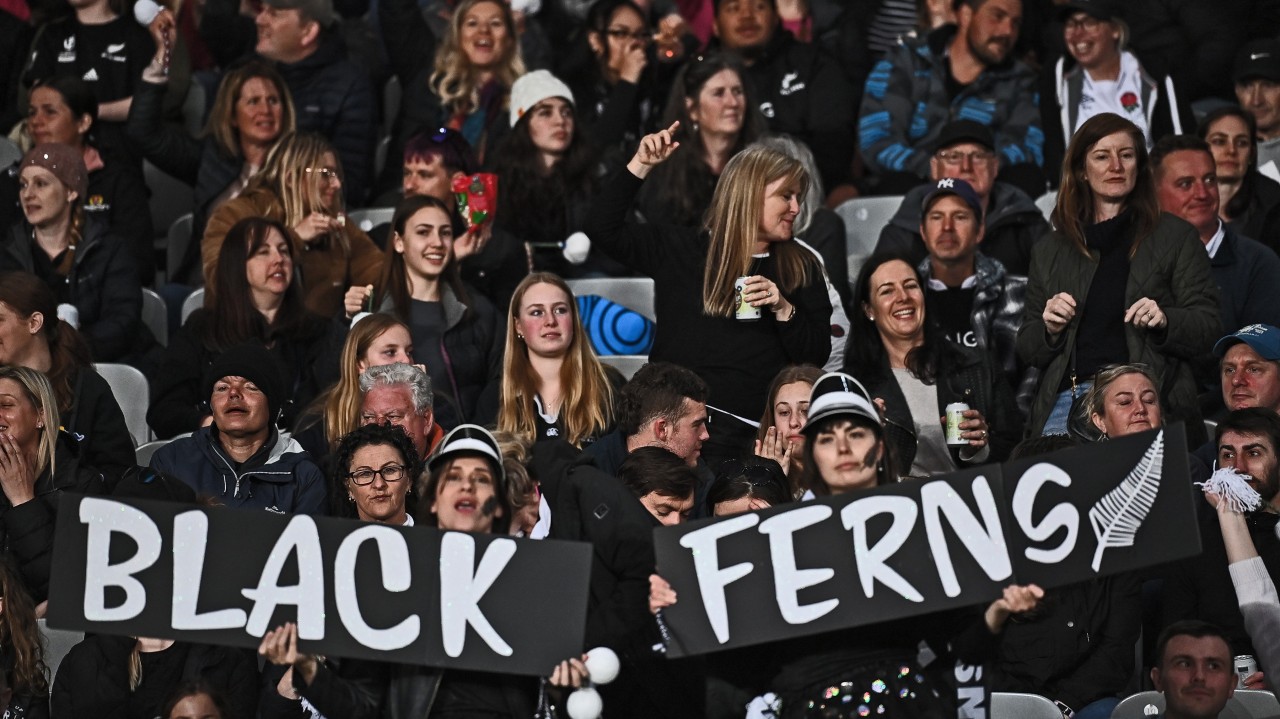
The live event experience does not end when the gates close. For many people, the memory is a key part of the value. People still talk about being at Eden Park when Ruby Tui led the crowd in Tūtira Mai Ngā Iwi after the Black Ferns won the Rugby World Cup, or being at the Coldplay concert when Chris Martin called out a father and daughter in wetsuits and scuba gear. Those moments cannot be replicated through a screen – they become shared stories, retold long after the lights go down.
Events also offer escapism. I have often said that when people scan their ticket and walk into Eden Park, they should be able to forget about the pressures of everyday life for a few hours. Whether it is work, study, a mortgage, cost-of-living pressures or simply the pace of modern life, live events provide a release. They allow people to be entertained, connect with others and leave with a memory.
This human element is at the heart of the event economy. When we talk about major events, the conversation often moves quickly to economic impact, visitor nights, hotel occupancy, hospitality spend and transport activity. These measures are important, but they only exist because people want to be part of something. A major event creates the reason for people to move, and once they move, the benefits extend well beyond the venue.
This is the halo effect of events. While the event may be the anchor, the value spreads across the city before the gates open and long after the lights go down. It is why the event economy should be understood as part of a broader growth strategy for Auckland and New Zealand. It is not just about entertainment, it is about city performance and making Auckland a place where people want to live, stay, play and work. Great cities need housing, transport, healthcare, education and core infrastructure, but they also need energy, identity and shared experiences. They need moments that make people feel proud of where they live and excited by what their city can host.
Blockbuster events are an important part of that mix because they create momentum. A major global artist, a high-profile sporting fixture or a distinctive cultural event sends a signal to promoters, rights holders, sponsors, partners and visitors that Auckland can deliver at scale. We are a comparatively small market, geographically distant and more complex from a freight, routing and production perspective, so if we want world-class content to come here, we need venues, settings and infrastructure that help us compete.
That is where Eden Park has an important role to play. As New Zealand’s national stadium, our responsibility is to be capable of hosting blockbusters and delivering them exceptionally well. That means having a venue that is operationally ready, commercially relevant, globally credible and connected to the wider city experience.
The opportunity now is to think more deliberately about how major events connect with the city around them. A blockbuster event should not be viewed only as something that happens inside a stadium for a few hours. It should be seen as an anchor for activity across transport, hospitality, tourism, retail and surrounding precincts. The stronger those connections are, the greater the halo effect becomes.
When the event economy works well, everyone feels it: the stadium, the city, businesses, visitors and residents. But most importantly, people remember it. Live events create memories at scale. They give people a reason to gather, to escape, to celebrate and to feel part of something bigger than themselves. Their value is not limited to what happens on the field or on the stage, their value is in everything they set in motion around them, from economic activity and tourism to civic pride, social connection and the stories people carry with them long after the lights go down.