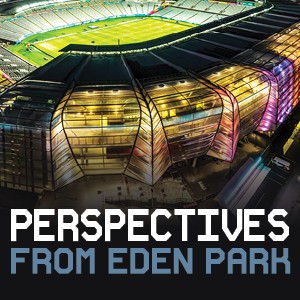






In an earlier article I explained what is required to manage a $1bn infrastructure asset, but one aspect that deserves more attention is the ongoing reality of maintaining and modernising a highly utilised national stadium to ensure it continues to meet the expectations of a modern, world-class venue.
The more intensively infrastructure is used, the more important proactive maintenance, renewal and reinvestment become.
Most people experience a stadium through the excitement of event day. They see the atmosphere, the crowd, the lights, the turf, the performance on the field or stage and the memories created with friends and family. What they rarely see is the constant work happening behind the scenes to ensure a venue of this scale remains safe, functional, modern and capable of continuing to deliver those moments year after year. And that’s deliberate.
Managing a highly utilised, multi-purpose stadium is not static. It is a continual process of maintenance, assessment, improvement and renewal.
While we talk a lot about repurposing and evolving existing infrastructure through our Eden Park 2.1 vision, including projects like the Lower West Stand redevelopment and the planned transformation of the North Stand, there is also a practical reality that comes with operating a venue of this scale. There is still a $1bn asset to maintain, and that requires constant attention.
Our North Stand is a good example.
Completed in 1999, it remains a critical part of our infrastructure but, at 28 years old, it is also the focus of our 2.1 redevelopment vision. As part of our regular maintenance and review programme, we recently discovered that some decorative façade elements on the roof had originally been fixed using adhesive methods which would no longer meet today’s standards. This was proactively identified through our ongoing asset management processes, and the decorative façade pieces have now been removed.
That is exactly why proactive asset management matters.
It is not about reacting to problems once they emerge. It is about continually reviewing and reassessing infrastructure over time as standards, materials, technologies and expectations evolve. In many ways, the public rarely notices this work precisely because it is designed to happen proactively and responsibly before issues arise.
This is not unique to Eden Park. It is the reality for iconic stadiums and major infrastructure assets all over the world.
Some of the world’s most famous sporting venues have been operating for more than a century. Fenway Park in Boston opened in 1912 and remains one of the most recognisable sporting venues globally. The Panathenaic Stadium in Athens traces its origins back to the 4th century BCE and is still in use today following centuries of preservation, restoration and proactive maintenance. Wembley Stadium, Twickenham, the MCG and Madison Square Garden have all undergone continual redevelopment and modernisation over time to ensure they remain functional, competitive and relevant.
And importantly, what gives these venues meaning is not simply the concrete, steel or seating bowl. It is the history attached to them.
What makes a venue special is not simply the physical infrastructure, but the moments, memories and history created on the turf over time. Eden Park has been the setting for some of New Zealand’s most iconic sporting, cultural and entertainment moments for more than 125 years.
But it is also the deeply personal stories attached to this place that matter. We have soil from the grave of Dave Gallaher, captain of the 1905 Originals All Blacks, embedded within our turf, connecting our national stadium to one of the most important figures in New Zealand rugby history. I also remember Eroni Clarke once telling me, “we have three generations of Clarke blood, sweat and tears in that grass.” And who could forget Ardie Savea standing on Eden Park after his 100th Test declaring, “this is my house.”
In many ways, those moments capture what makes iconic venues different. Over time, they become more than infrastructure. They become part of a country’s collective memory and identity.
None of that can simply be recreated overnight.
Once a venue disappears, the history attached to it disappears too. You can build a new stadium, but you cannot instantly manufacture more than 125 years of memories, emotion, atmosphere and cultural significance.
That history matters and it’s why maintaining and enhancing Eden Park is so important. Our responsibility is not simply to preserve infrastructure for today, but to ensure New Zealand’s national stadium remains world-class and capable of meeting the needs of future generations while protecting the legacy and identity that make it special in the first place.
A key factor in our asset management programme is recognising that increased utilisation creates economic, social and cultural value for cities and countries, but it also places greater pressure on the asset itself.
The more you use infrastructure, the more maintenance it requires.
Large crowds, changing production demands, broadcast expectations, turf recovery, lighting systems, digital infrastructure, accessibility requirements and crowd movement all place ongoing demands on the venue. Even relatively minor projects often require significant planning because work must be coordinated around event schedules, operational requirements and public safety considerations.
In multi-purpose venues where events are hosted year-round, even small maintenance or renovation projects can become highly complex exercises in logistics and sequencing. Structural maintenance, compliance reviews, safety systems, waterproofing, electrical upgrades, technology improvements and preventative asset management rarely attract attention, but they are fundamental to ensuring a venue continues to operate safely and effectively.
Because ultimately, the role of a national stadium is not only to honour its history. It is to continue creating opportunities for future memories while evolving responsibly to meet modern expectations.
That requires continual reinvestment, long-term thinking and proactive stewardship.
Protecting Eden Park’s legacy does not mean preserving it exactly as it was. It means ensuring this globally recognised and nationally significant venue continues to evolve, continues to perform and continues to bring people together for the next century, not just the next event.