





Most people see the event. The reality is a 24/7 exercise in asset management, reinvestment and resilience.
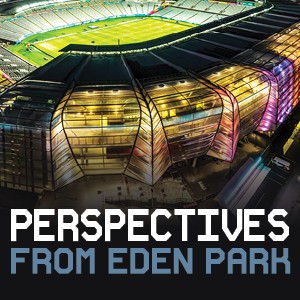
When people visit Eden Park, they typically see only the visible part of the stadium. They arrive, take their seat, enjoy the atmosphere and leave having been part of something memorable.
What they do not see is the reality of managing a $1bn infrastructure asset. If you were trying to build a comparable 50,000-plus-seat stadium today, the cost would likely run into several billions of dollars, which is why protecting, enhancing and fully utilising an existing asset matters.
At this scale, Eden Park is not simply a venue. In many respects, it is like running a small city – from security and public transport through to power, water, technology and the expectations of everyone who comes through the gate. Our facilities team is central to that. They are not only responsible for maintaining and enhancing the stadium over time, but also for supporting event day operations and working closely with hirers to ensure the venue operates exactly as it should. Whether there are 10,000 people attending an event or 50,000, every part of the stadium is being tested in real time. Gates need to open, wi-fi needs to work, toilets need to flush, lifts need to operate, lights need to turn on and off, taps need to run, and everything has to be safe and fully operational. That is when you are reminded very quickly that running a stadium is a lot closer to running a small city than most people realise.
That is one of the biggest misconceptions about stadiums. Too often, they are viewed only through the lens of the concrete structure, the seats, the screens, the turf and the event itself, but these are simply the visible outcomes. Behind all of this sits a year-round exercise in planning, maintenance, investment and risk management.
Many of us recognise the importance of major infrastructure projects – hospitals, ports, airports, roads and projects such as the City Rail Link, a $5.5bn investment in Auckland’s future. A stadium of Eden Park’s scale should also be understood in that context. While it is a different kind of asset, it requires continual reinvestment, careful management, and a clear long-term strategy to ensure it continues to deliver value.
Even when the stands are not full, the work goes on. Infrastructure still needs to be maintained, systems still need to be checked, and future improvements still need to be planned. Although ticketholders see an event, the real task is to make sure the asset is always ready for what comes next.
That is why managing a stadium is about more than event delivery. It is about protecting and enhancing a nationally significant asset while ensuring it remains relevant, functional and financially sustainable over the long term. Because if you are not continually investing in an asset of this scale, it will not hold its position by default. It will gradually fall behind. And in a modern stadium environment, that can happen quickly. A venue can look impressive from the outside but still become outdated if its digital infrastructure, operational capability and customer experience do not keep pace.
Meeting those expectations requires continual reinvestment, much of it behind the scenes. People notice new seating, upgraded lounges or large screens, but a significant part of responsible asset management lies in less visible areas such as structural maintenance, turf, lighting, technology, accessibility and back-of-house infrastructure. These things may not generate attention, but they are essential to the long-term performance of the asset.
That reinvestment is not theoretical. Over the past few years, we’ve continued to upgrade and adapt Eden Park – from LED lighting, digital screens and new turnstiles through to CCTV, building management systems, Wi-Fi, hospitality spaces and safety improvements. More recently, the Lower West Stand redevelopment has been designed to improve ingress and egress, increase concert capacity and create new hospitality options. These are not cosmetic changes. They are practical investments that help ensure the stadium continues to perform as a modern, multi-purpose asset.
Then there is utilisation.
A venue of this scale cannot rely on a narrow event model and expect long-term sustainability to look after itself. It has to work harder than that. One of the biggest challenges is how to generate value beyond event days and ensure the asset is contributing more often than it is sitting idle. That is why diversification matters.
The most resilient stadiums are those that think beyond one code, one season or one type of event. They look at sport, concerts, cultural events, hospitality, community use and partnerships as part of a broader model to maximise the value of the asset.
That is often described as sweating the asset, but in practice, it is about much more than commercial return. A well-run stadium should not only deliver memorable events, but also support the wider city economy through jobs, visitation, hospitality and transport activity. Major infrastructure of this scale needs to be active, relevant and contributing to the ecosystem around it.
Risk and resilience are also central to the role. When you are responsible for a venue that accommodates large crowds, complacency is not an option. Crowd flow, emergency planning, security, communications, traffic management and operational readiness all have to work together. Increasingly, so too does future-proofing against changing demands, energy pressures and weather-related disruption.
All of these point to a simple reality.
A stadium may be a place where people come together for unforgettable moments, but behind those moments sits a high-performance machine that must be managed carefully and continuously. The event is what people remember. The real work is everything that makes it possible.
That is what it really means to manage a $1bn infrastructure asset.