You can watch Eden Park on TV, hear about the moments that have happened here, yet still be unsure about whether you could comfortably attend an event.
This uncertainty can be enough to stop someone attending, and understanding what sits behind it is part of our responsibility as venue operators.
When a stadium is designed, considerable effort is put into making it a place people want to visit. We attract sports teams and artists, invest in facilities and build excitement around the next big event. But equally important is understanding what might prevent someone who wants to be here from making the decision to come.
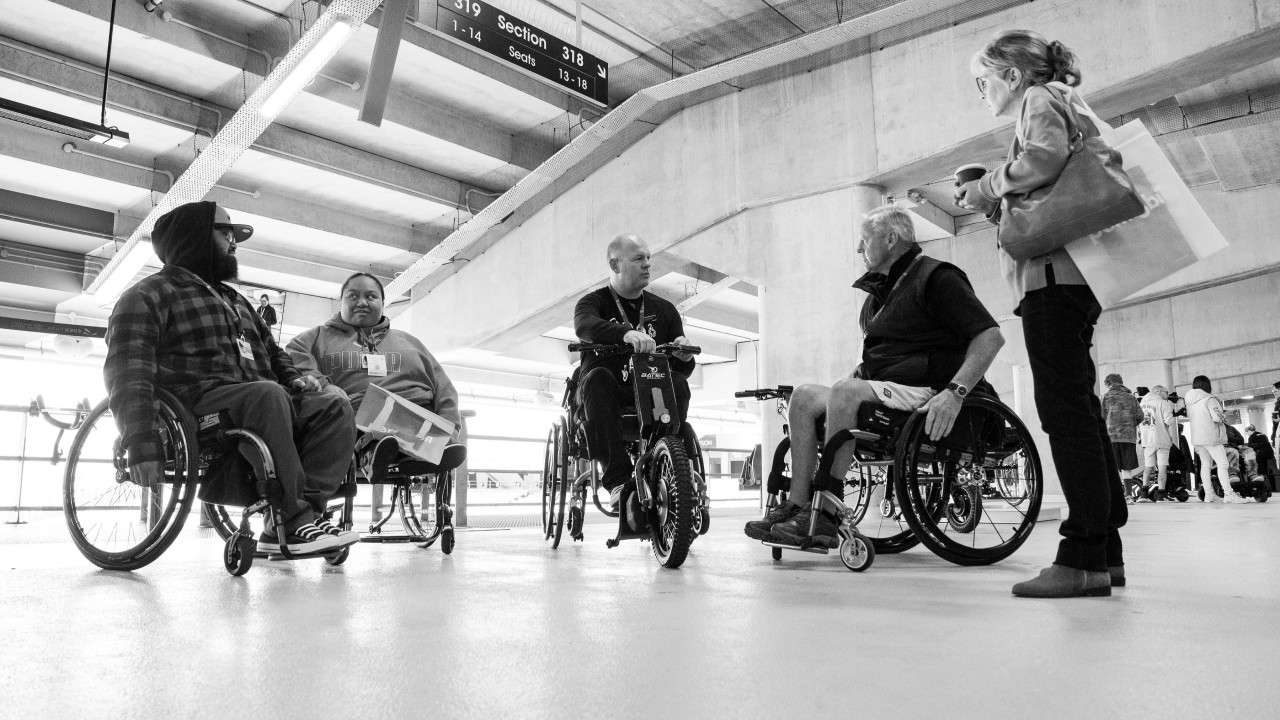
This Thursday, that thinking takes a very practical form when Eden Park hosts Power in the Park with Permobil New Zealand.
Over 1,200 from across the disability community will come together to connect with community organisations, specialists, product experts and businesses. Visitors will be able to explore mobility products and assistive technology, connect with support services and disabled-focused businesses, take part in activities and join an accessible tour of the stadium.
For me, the significance is in the connection people can build with Eden Park and with one another while they are here.
Eden Park is New Zealand’s national stadium. This is a source of considerable pride, but it also sets an expectation. People should be able to see a place for themselves here, whether they are coming to watch the All Blacks, attend the Robbie Williams concert or spend a Thursday connecting with the community.
But a national reputation does not automatically create that personal connection, we have to earn it through the experience we provide.
The decisions involved in whether to attend a major event are different for everyone. For some people, the main questions are who is playing and whether tickets are available. For others, there is much more to establish before they can commit to attending.
Can they get from their vehicle to their seat comfortably? Can they enjoy the occasion alongside their family or friends? Will the facilities meet their needs? Can they find reliable information without having to make several calls?
If those questions are hard to get an answer to, we may lose a visitor before we ever know they were considering coming.
This is a challenge for venue leadership. While we know people will attend an event, it is much harder to know who wanted to come but decided the uncertainty or effort was too much.
Our Eden Park Game Plan includes a commitment to “building a level of comfort”. In this context, that means giving someone enough confidence in the venue and our people to make plans, bring their family and look forward to the occasion.
Power in the Park provides an opportunity to develop that familiarity. Visitors can explore the stadium, ask questions and discover facilities without navigating a major event crowd. They can also meet people, find support and explore products that may make a difference in their everyday lives.
The relationship works both ways. Bringing people into the stadium gives us an opportunity to listen and better understand how they experience it. Our partnership with Permobil brings expertise to that work, while the people who use the venue bring knowledge we cannot gain from looking at a plan or inspecting an empty stand.
This also gets to a wider point about how we use major venues between headline events.
A stadium holds much more than seating capacity. It has spaces, skilled people, established partnerships and a profile that can bring attention to an initiative. Those resources have value throughout the year.
Making them useful to our communities is a leadership choice. It requires us to look beyond the next fixture and ask where the venue can make a meaningful contribution.
At Eden Park, being a strategic asset and a community asset are connected responsibilities. Our ability to attract major events sustains the stadium and supports investment in its future, and our relationship with the community helps give that future purpose.
Power in the Park is a tangible example of that relationship. It gives people a reason to come here on their own terms, make connections and build their own association with a place they may previously have known mainly through a screen.
We are proud of the memorable moments people come to Eden Park to experience. Our commitment is to have more people come and be able to tell their own stories of being here.
That is how a national stadium becomes a stadium for everyone.