





When someone buys a ticket to an event at Eden Park, they don’t think they are purchasing separate services from a promoter, ticketing provider, transport agency and venue. They have bought one experience, and from their perspective it begins well before they arrive at the stadium and continues until they return home.
While the organisations involved in delivering an event may have different responsibilities, contracts and systems, those distinctions mean very little to the person attending. If their ticket doesn’t load, their train is delayed, information is unclear, entry takes too long or the experience inside the venue does not meet expectations, each issue influences how they remember the entire occasion.
This raises an important question for our industry: who owns the fan experience?
No single organisation controls every part of it:
· The promoter shapes the event
· The ticketing provider manages access to tickets
· Transport agencies help move thousands of people
· Sporting organisations or artists bring the content
· The venue is responsible for what happens within and around its gates.
The fan does not experience those contributions separately. They experience how well everything connects.
At Eden Park, taking ownership does not mean claiming control over organisations or decisions that sit outside our remit. It means taking responsibility for the elements we can control, influencing those we cannot and working with every delivery partner to ensure services are delivered to an agreed expectation and identify where gaps may emerge.
Our Game Plan provides the framework for how we approach this responsibility. Customer service, attention to detail, innovation, exceeding expectations, building comfort and strong accountability are not separate ambitions – together, they shape the experience we want people to have whenever they come to Eden Park.
Customer service does not begin at the turnstile. It can be influenced by the clarity of the ticket information, the transport options available, the communications people receive before leaving home and whether they feel confident about what will happen when they arrive.
Building a level of comfort is equally broad. It includes physical comfort, but it also comes from feeling informed, safe and welcome throughout the journey. When people know where to go, what to expect and where to find help, they can focus on enjoying the occasion.
Attention to detail is particularly important at the points where responsibility passes between organisations. The transition from transport to the stadium precinct, from a ticketing platform to the entry gate or from a promoter’s communications to venue information should feel seamless, even when different organisations are responsible for each stage.
It also means thinking beyond the traditional boundaries of the stadium experience. We do not believe an event begins when someone scans their ticket or finishes when the final whistle blows or the artist leaves the stage.
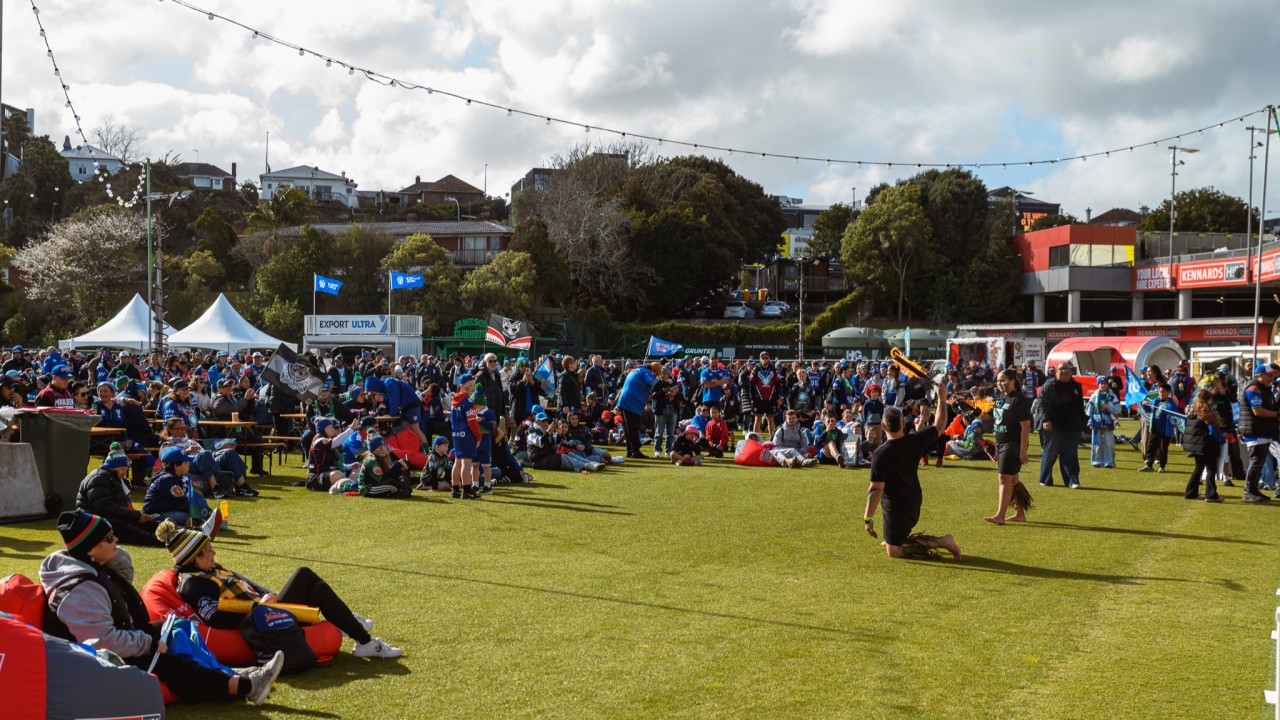
Our recent activation of the Outer Oval, creating a Fan Zone for the NRL Finals Series game demonstrated what this can look like. More than 5,000 supporters used the space ahead of the Warriors game, giving them somewhere to gather, connect with other fans and become part of the occasion before entering the stadium.
The Outer Oval was not required to stage the game, its purpose was to make the experience better by recognising that people are not simply looking for a seat and a view of the field – they want to feel part of something from the moment they arrive.
It also reflects how we try to approach events differently at Eden Park. An All Blacks match, a BLACKCAPS fixture, a Blues or Warriors game, an art show and a concert may all take place at Eden Park, but each should have its own identity rather than feel like the same event with different content on the field or stage.
Each audience brings its own identity, traditions and expectations. Our role is to understand those differences and work with the relevant organisation or promoter to create an experience that feels specific to the people attending.
The physical infrastructure matters as do the staff who are on the ground, but much of what shapes an occasion is far less tangible. It is the welcome people receive, the way a space is presented, the information available to them, the atmosphere before the event and the attention paid to the details they may never consciously notice.
Our ability to deliver those elements and create memorable moments depends on a much wider network. A well-designed fan zone cannot compensate for a difficult journey to the venue, just as an efficient transport service cannot overcome a poor ticketing or entry experience.
Our industry is generally good at defining individual responsibilities. We have operating plans, transport plans, ticketing systems, security plans and communication protocols. The greater challenge is ensuring those individual plans combine into one coherent journey for the person attending.
Success isn’t just measured by whether each organisation completed its allocated task, it must be measured by whether the overall experience worked. As a venue, this sometimes means convening organisations it does not control and raising issues that sit beyond its gates. It also means accepting feedback about the entire experience, including elements for which the venue may not be directly responsible, because redirecting a complaint does not improve the experience someone has already had.
At Eden Park, our ambition is to do more than provide the location where an event takes place. We want to help connect every stage of the journey and create an experience that feels considered from beginning to end.
When someone buys a ticket to an event at Eden Park, an implicit promise is made by everyone involved in delivering it. No single organisation can fulfil that promise alone, but each of us has a responsibility to ensure the fan experiences one event rather than the gaps between us.